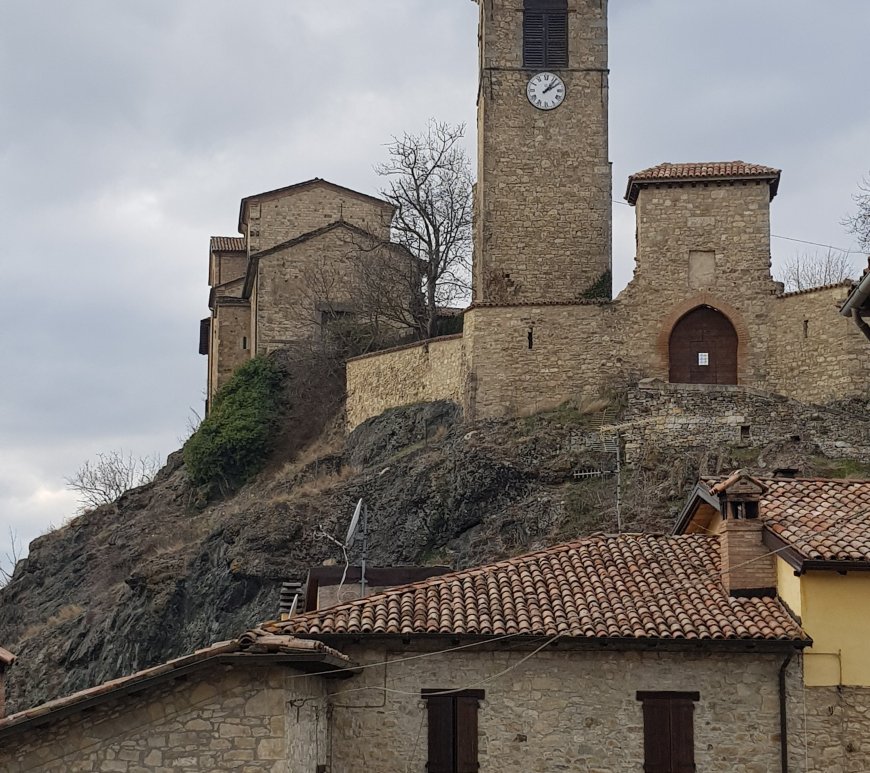
Castello di Pompeano

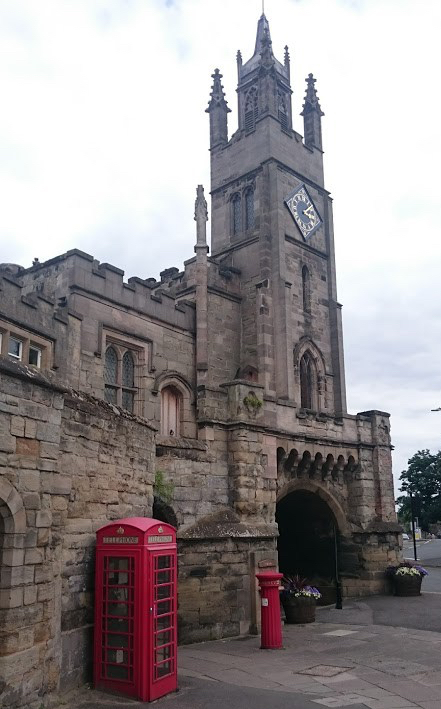
The Castle of Pompeano rests on ophiolite serpentine (volcanic rock). Until the early fifteenth century it belonged to the Counts Da Gombola. Pompeano is an ancient village near Serramazzoni (Province of Modena), Italy. I can’t share the story as well as others (I’m also hindered in using my phone with this post) so please click here to read more. I have visited the castle twice … Continue reading Castello di Pompeano

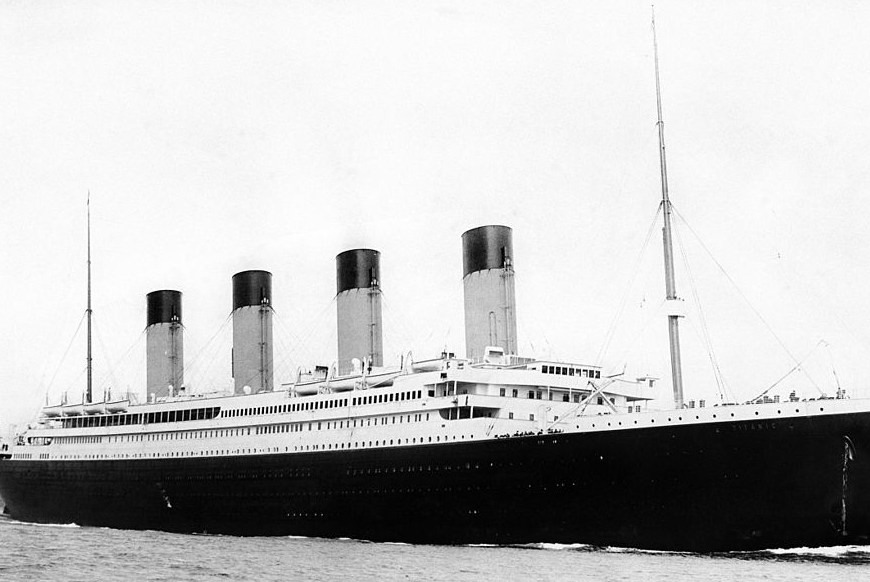
Titanic: the Hero Musicians

The night of April 14/15 1912 will be remembered as the night the ‘unsinkable’ RMS Titanic sank. The ship struck an iceberg soon after 11.30 p.m. and it was gone by 2.20 a.m., with not enough lifeboats for the passengers and crew, women and children were placed into lifeboats that were scandalously nowhere near filled to capacity. More than 1500 people lost their lives,  only … Continue reading Titanic: the Hero Musicians

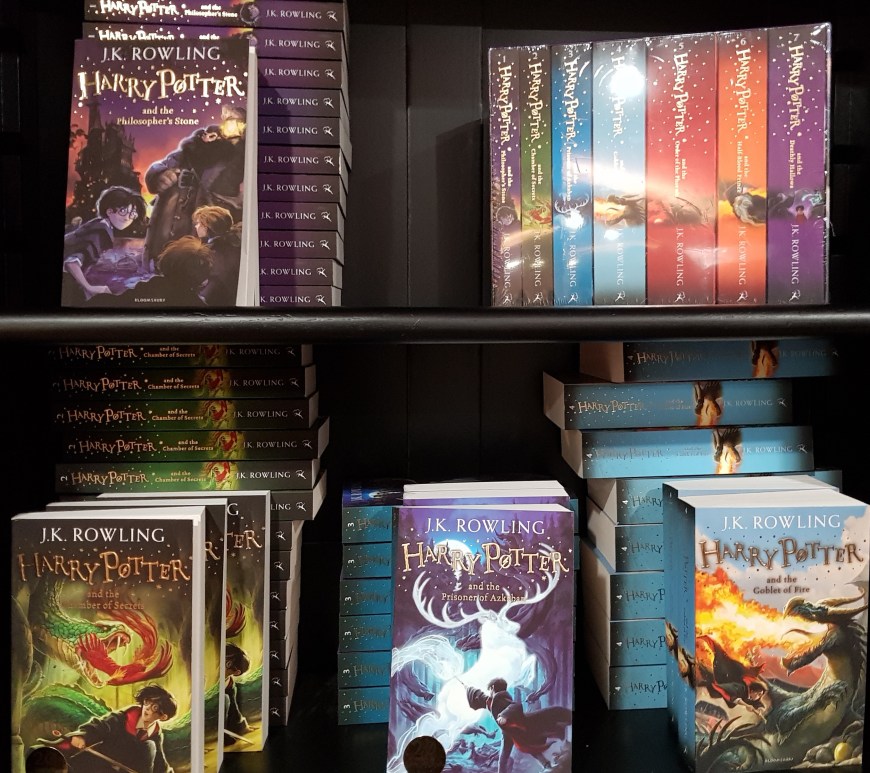
Harry Potter: A History of Magic – the Exhibition

Harry Potter: A History of Magic exhibition at the British Library, for those that don’t know – a stone’s throw from King’s Cross Station, has been open since 20 October 2017 and will close 28 February 2018. It celebrates the twenty years since the release of J.K. Rowling’s Harry Potter and the Philosopher’s Stone. Photography is prohibited, as it is at many institutions that house … Continue reading Harry Potter: A History of Magic – the Exhibition

My Six Most Popular Posts – And the Six Least Popular: My Conclusions Why . . .

Inspired by Floatinggold’s 2017 round up of her posts, that you can read here, I decided to share my most popular posts in terms of views and the reasons why I think they have performed better than others – and the least popular, as we all may learn something from my musings. Now I know I’m not an expert and while I can say I’ve … Continue reading My Six Most Popular Posts – And the Six Least Popular: My Conclusions Why . . .

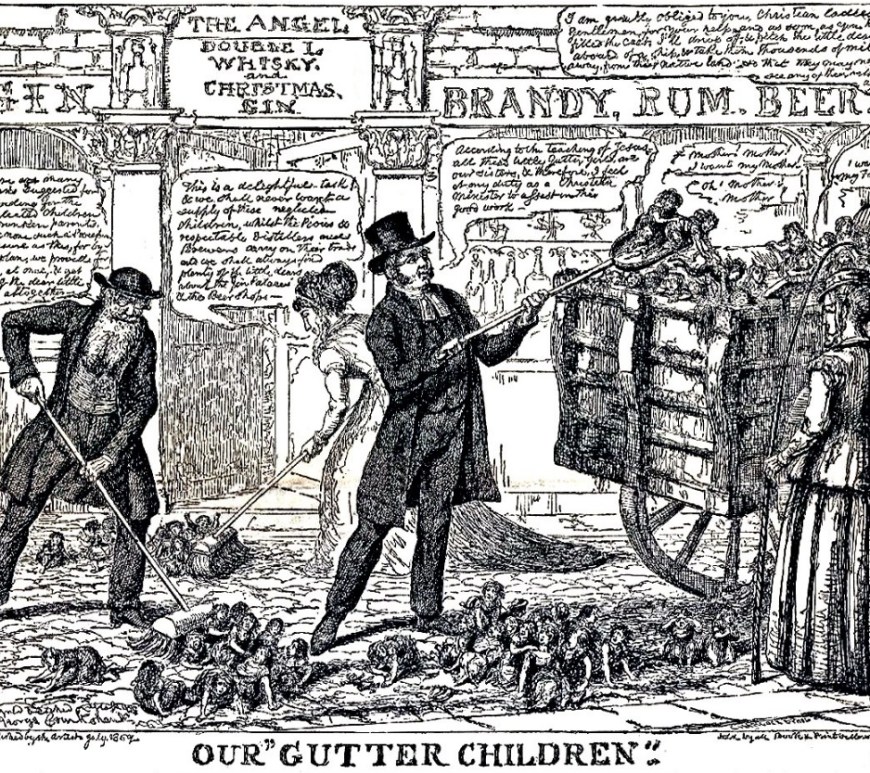
British Home Children

For over a hundred years, starting in 1869 until the 1970s, Britain sent children abroad; to Canada prior to the Second World War and later to Australia, New Zealand, South Africa and Rhodesia. Over 100,000 children were sent to Canada alone. The children ranged in age from four to fifteen and would be sent from seemingly well-meaning philanthropic or religious organisations, such as Dr Barnardo’s, … Continue reading British Home Children

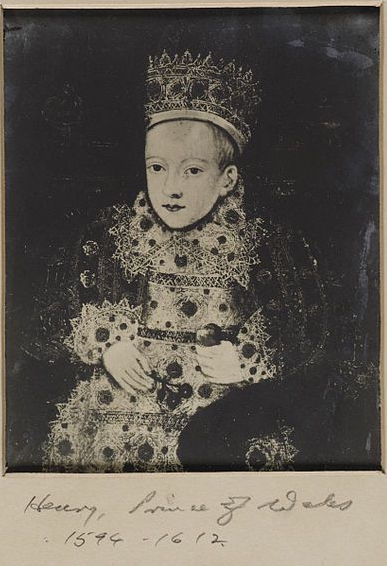
The Replacement Kings

Kings Henry VIII, Charles I and George V ruled over England and Wales, and later Scotland and Ireland, during times of momentous change for the country. But they were all second sons and not trained for kingship from birth. Their elder brothers had predeceased their fathers, Kings Henry VII, James I and VI and Edward VII, meaning they replaced their brothers in the royal line … Continue reading The Replacement Kings

The Victorian Fluted Pillar Box in England

On a day out in Windsor, accompanied by my husband, we came across a Doric fluted Victorian pillar box, situated just over the river Thames at Eton. I stopped to take the obligatory photograph. I was taken with its elegance, which was enhanced by gilding around the cap which highlighted the words ‘Post Office’, the crown and the royal VR (Victoria Regina) cipher. I shared … Continue reading The Victorian Fluted Pillar Box in England

The Royal Double Wedding

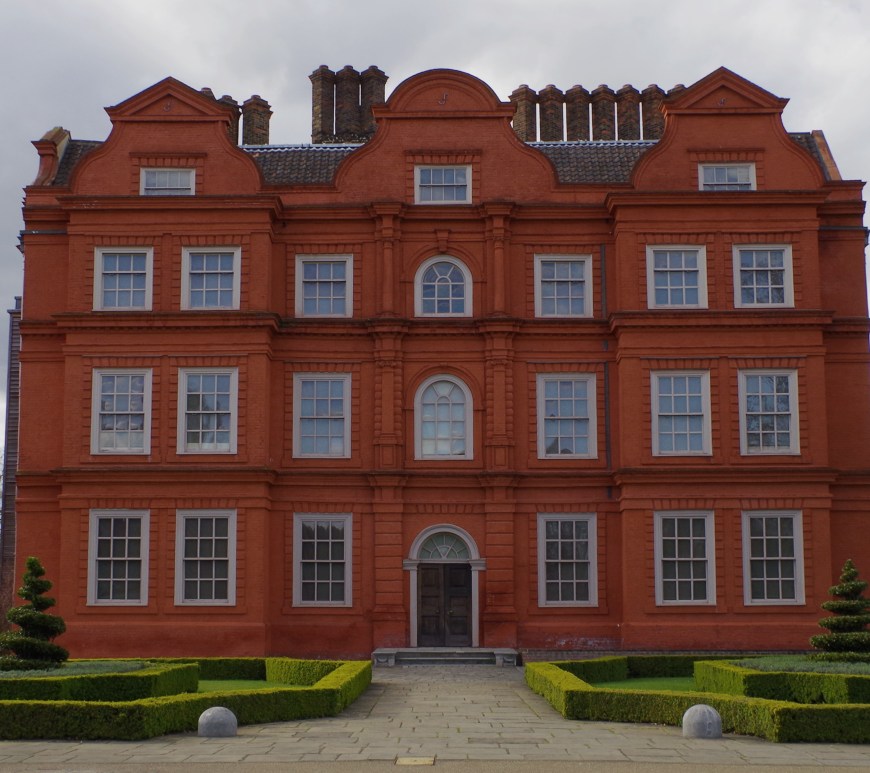
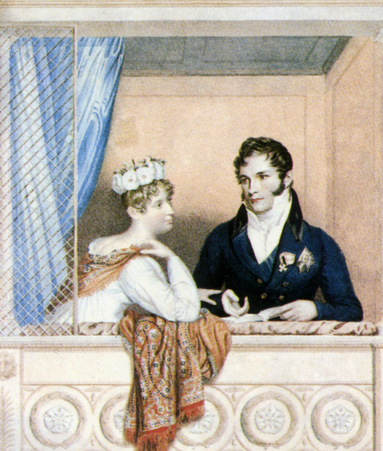
Almost 200 years ago there was a very different royal wedding. It was not held in the grand and historically significant Westminster Abbey, like the 2011 marriage of Prince William and Catherine Middleton, but in the relatively small summer palace in the Royal Botanical Gardens at Kew. Kew Palace, originally ‘the White House’, was the home of Frederick, the Prince of Wales and his wife … Continue reading The Royal Double Wedding

Diana: Her Fashion Story – the Kensington Palace Exhibition

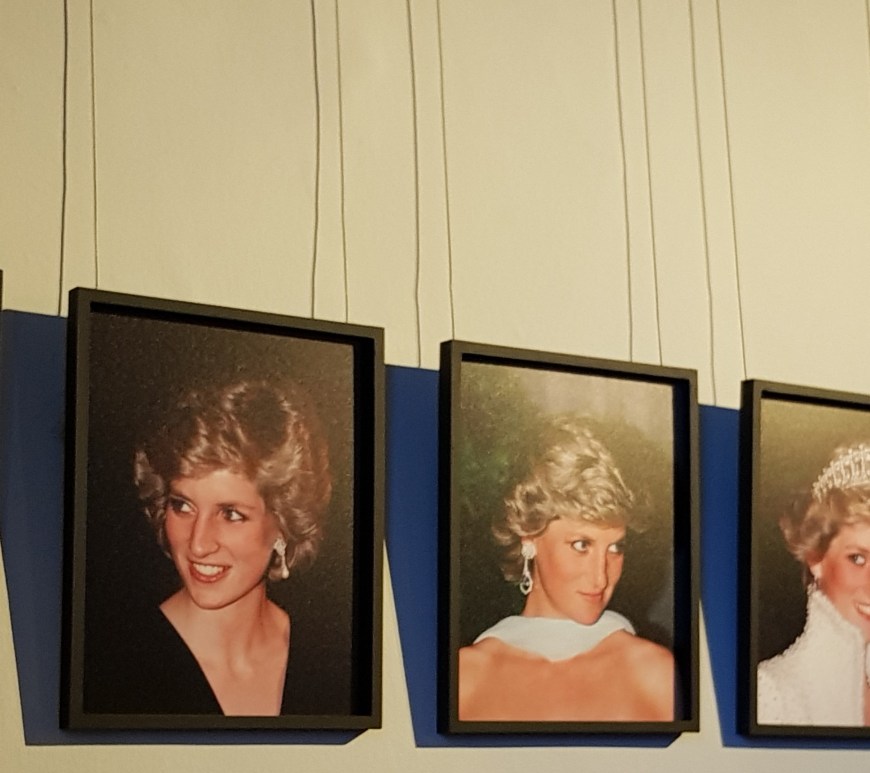
  Today I write this from Kensington Palace. It sounds grander than it actually is; I’m in the bustling cafe and trying to ignore the general cacophony of families and friends enjoying a day out. I am hugely excited to be using this space to share my enjoyment of the historic surroundings and an exhibition showcasing one of the palace’s erstwhile residents. I specifically visited … Continue reading Diana: Her Fashion Story – the Kensington Palace Exhibition

Actress, Mistress of a Royal Duke: Dora Jordan, Leading Lady of the Late Eighteenth Century

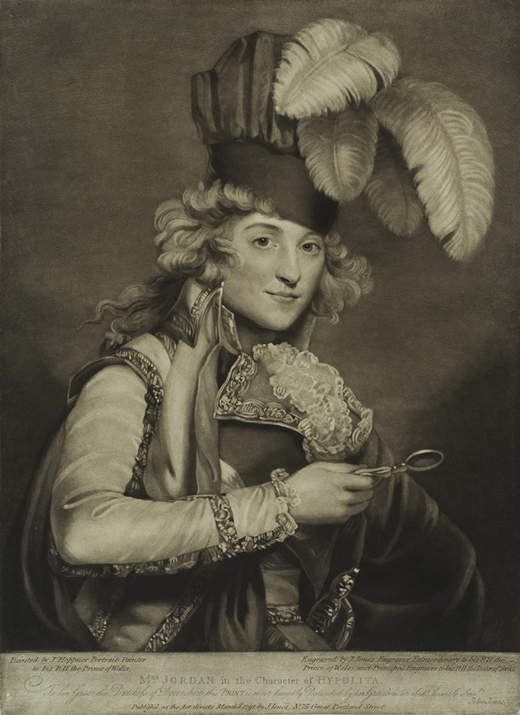
Dora Jordan was one of the most celebrated actresses of the late eighteenth century. She delighted theatregoers with her repertoire of comedic performances, was a spellbinding tragedian and was renowned for her classic Shakespearean drama, with roles such as Rosalind in As You Like It and Viola in Twelfth Night. She was also one of the women who pushed eighteenth century boundaries for daring to … Continue reading Actress, Mistress of a Royal Duke: Dora Jordan, Leading Lady of the Late Eighteenth Century

Remember, Remember the Sixth of November: Commemorating Princess Charlotte 200 Years After her Death

‘Alas, that England’s hope – her greatest pride, Should thou in youthful loveliness have died!’ The Morning Post, 7 November 1817 Monday 6 November 2017 is the 200th anniversary of the death of Princess Charlotte, the granddaughter of King George III. She died at Claremont in Surrey after a protracted fifty-hour labour during which she delivered a stillborn son. Charlotte Augusta of Wales was born … Continue reading Remember, Remember the Sixth of November: Commemorating Princess Charlotte 200 Years After her Death

Typhoid Mary: the Tragedy of Mary Mallon

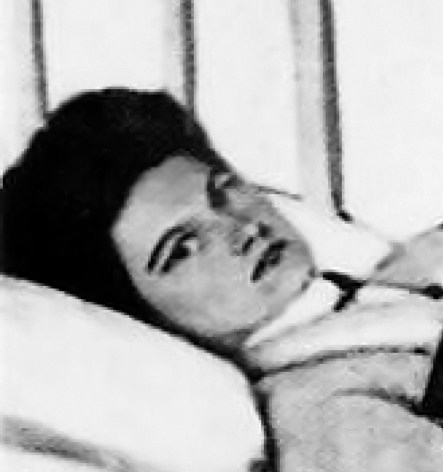
On 11 November 1938, a 69 year old Irishwoman died on North Brother Island, New York. She had been held in isolation for 23 years, yet she had not been charged or convicted with any criminal offence. Mary Mallon was born in Cookstown, Ireland in 1869. She immigrated to America when she was a teenager and found employment in domestic service. She developed an aptitude … Continue reading Typhoid Mary: the Tragedy of Mary Mallon

A Suffragette, Hate Mail and a Grave

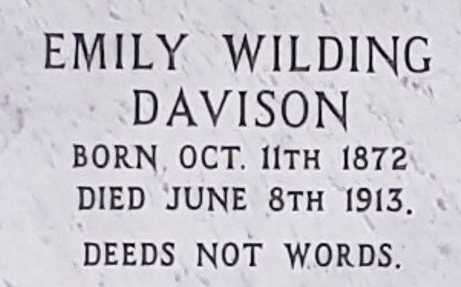
Last week I visited the grave of militant suffragette Emily Wilding Davison. I’ve wanted to visit it for a while and had driven close to it once or twice, but I didn’t want to inconvenience my fellow traveller with a diversion that amounted to a two-hour addition to our already considerable driving time from Surrey, England, to Scotland. Having found myself with a spare morning … Continue reading A Suffragette, Hate Mail and a Grave

Walton Prison’s First Execution: Elizabeth Berry, Serial Poisoner?

Thirty-two years after being built, Walton Prison in Liverpool witnessed its first execution. On 14 March 1887, Elizabeth Berry suffered the ignominy of being the first prisoner and one of only two women to be executed there. The execution chamber was hastily built. It appears that a reprieve for the prisoner was expected and when this was not granted, the Coach House, an outbuilding where … Continue reading Walton Prison’s First Execution: Elizabeth Berry, Serial Poisoner?